Why Asthma Symptoms Suddenly Get Worse – Best Asthma Doctor in Bhubaneswar Explains
Discover effective allergic asthma treatment options to manage symptoms, reduce triggers, and improve breathing. Learn expert-approved therapies for long-term asthma relief. consult Best Asthma Doctor In Bhubaneswar.
4/25/20263 min read
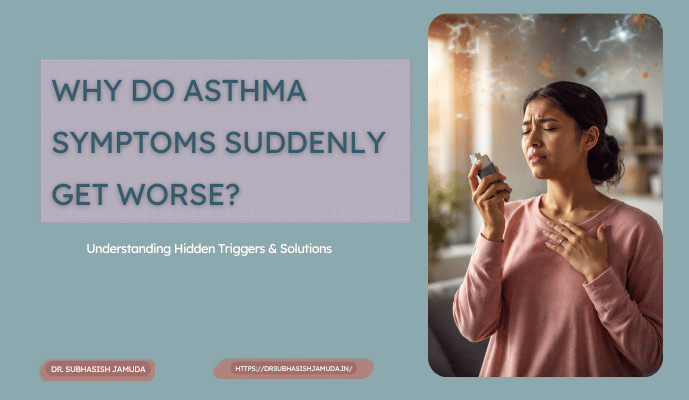
Living with asthma can make you feel unpredictable. One day you're breathing easy, and the next, you're suffering with wheezing, continuous coughing, a tight chest, or just struggling to get enough air. Those sudden changes can be really frustrating, especially when you thought things were under control.
The truth is, these flare-ups usually come from specific "triggers" that irritate your lungs and airways. They could be something obvious like smoke, or sneaky like a small change in your routine. The key to better asthma control is spotting these triggers early, before they turn into a big problem.
The best asthma doctor in Bhubaneswar says catching what sets off your symptoms right away is the smartest way to dodge a serious attack and keep your lungs healthy long-term.
Here are the main reasons your symptoms might be getting intense —and easy way to protect and keep functional.
1. The Impact of Dust and Common Allergens
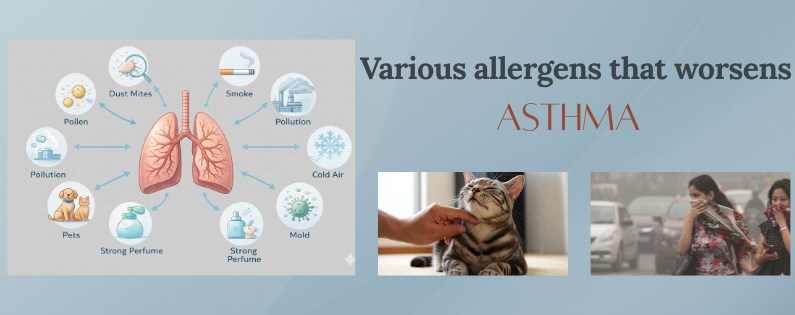
Allergens in your environment are a top culprit for sudden breathing trouble. If you're sensitive, these tiny particles make your airways swell and tighten up. Common ones include:
● Microscopic dust mites
● Pollen
● Fungal mold spores
● Animal dander
● Pests like cockroaches
They lurk everywhere—your bedding, office furniture, or damp spots at home. Pollen surges with the seasons too, so allergic asthma treatment becomes key then. Boosting your indoor air and sticking to a good cleaning routine can bring real relief.
2. Fluctuations in Weather and Temperature
Your lungs notice every change in the air. Cold snaps, muggy days, or a surprise rain can spark a flare-up. Cold dries out your airways and makes them narrow, while humidity traps pollutants and grows mold. Protecting yourself during weather shifts is a big part of staying ahead of asthma.
3. Viral and Bacterial Respiratory Infections
A cold, flu, or sinus bug can hit your already-sensitive lungs hard. They ramp up reactivity, turning a little cough into real breathing issues. Without watching it, a simple virus might mean severe asthma treatment to get back on track.
4. Physical Exertion and Exercise
Exercise is great for you, but fast breathing during a workout can sometimes irritate your airways—this is exercise-induced bronchospasm. Warm up properly and follow your doctor's tips for the best asthma treatment while keeping fit.
5. The Role of Stress and High Emotion
Your mind and body are connected. Big stress, sadness, or even laughing hard can mess with your breathing and cause chest tightness. Plus, stress makes it easy to skip meds or ignore early signs that need asthma management.
6. Missing Medications or Incorrect Inhaler Us
Sometimes asthma symptoms worsen not because of external triggers, but because medicines are not being used properly.
Common reasons include:
● Missing daily inhaler doses
● Incorrect inhaler technique
● Stopping treatment too early
● Overusing rescue inhalers
Controller medications help reduce airway inflammation over time. Skipping them allows inflammation to build up, increasing the risk of sudden symptoms.
Patients who experience frequent symptoms despite medication may need allergic asthma treatment or a revised treatment plan.
Correct inhaler use and regular follow-ups are essential for the best asthma treatment outcomes.
7. Chemical Irritants and Potent Scents
Perfumes, scented candles, or new paint fumes can trigger hyper-sensitive airways fast. Ventilate well and switch to fragrance-free options to cut down on flare-ups.
8. Air Pollution and Smoke
Air pollution is one of the most serious asthma triggers, especially in crowded urban areas. Polluted air contains harmful particles and gases that irritate the lungs and increase inflammation.
Common pollutants include:
● Vehicle smoke
● Industrial pollution
● Construction dust
● Burning waste
● Cigarette smoke
Indoor pollutants such as incense smoke, room fresheners, cooking fumes, and cleaning sprays can also trigger asthma symptoms.
Even brief exposure to smoke may increase the risk of an asthma flare-up and may require urgent asthma attack treatment.
Checking local air quality and minimizing exposure to smoke and strong fumes can play a major role in preventing sudden symptoms.
9. Overlooking the "Early Warning" Signs
Asthma usually gives hints before it hits hard—like a throat tickle at night or extra fatigue. Spotting them early avoids emergency asthma attack treatment down the line.
10. Pet Animal Fur and Dander
Love your furry friends? Pet fur, saliva, and dander can be a sneaky asthma trigger, even if you're not allergic to them in the classic sense. These particles float in the air and settle on surfaces, irritating sensitive airways and causing wheezing or tightness. Keep pets out of bedrooms, groom them regularly, and use air purifiers to minimize exposure while enjoying their company.
Closing Advice
If breathing gets harder, there's almost always a reason behind it—like weather changes, hidden allergens, or a forgotten dose. Figuring out the "why" is your first step to feeling better.
If flare-ups keep happening, book a visit with the best asthma doctor in Bhubaneswar. It's the best way to tweak your plan, get top-notch asthma treatment, and breathe easy without constant worry. With some awareness and the right doctor, you're closer to clear airways than you think.